Technology Advice for Small Businesses

powered by Pronto Marketing

FXS vs. FXO ports: What they are and why the difference matters for VoIP

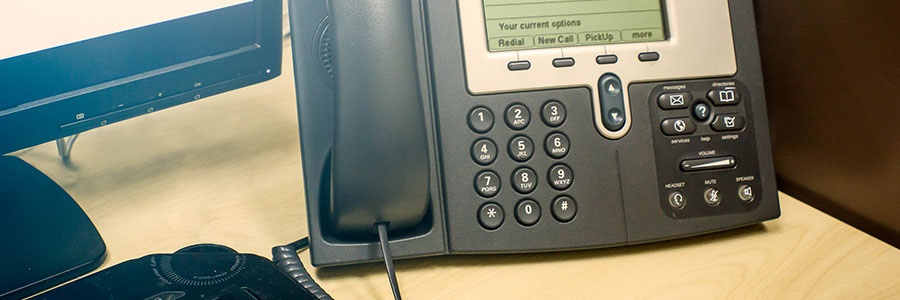
If you’re setting up or expanding a VoIP phone system, you’re likely to encounter the terms FXS and FXO. They refer to two types of analog telephony interface ports, and understanding the difference between them is more than a technical detail. The relationship between FXS and FXO ports determines how your phones connect to your… Continue reading FXS vs. FXO ports: What they are and why the difference matters for VoIP

What’s the difference between FXS and FXO? A plain-language guide for businesses

The terms FXS and FXO come up in almost every conversation about analog telephony and VoIP integration, but they’re rarely explained clearly. They’re not interchangeable, and confusing them during a phone system setup creates problems that can be difficult to troubleshoot after the fact. Here’s what each one does and why the distinction matters. The… Continue reading What’s the difference between FXS and FXO? A plain-language guide for businesses

FXS and FXO explained: The analog telephony basics every VoIP setup depends on

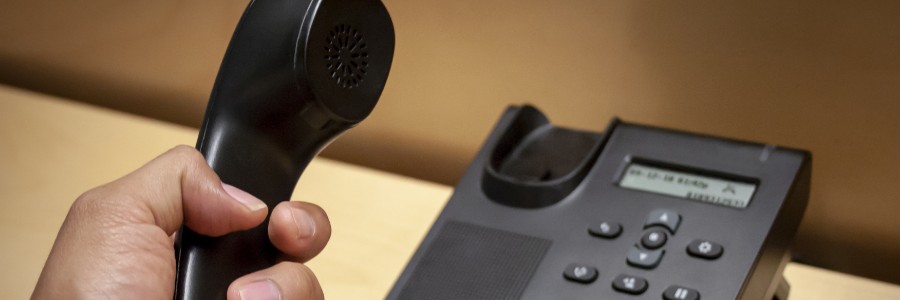
VoIP systems have transformed business communications, but many organizations still rely on a mix of VoIP and traditional analog infrastructure. Understanding the difference between FXS and FXO ports — the two analog telephony interfaces at the heart of that hybrid setup — is essential for anyone configuring, troubleshooting, or planning a business phone system. The… Continue reading FXS and FXO explained: The analog telephony basics every VoIP setup depends on

How number porting works and how to make sure it goes smoothly

Your business phone numbers are yours to keep, regardless of which carrier currently manages them. The Federal Communication Commission’s (FCC) local number portability rules guarantee that right, but the transfer process has requirements that you need to understand before you begin. What number porting is and why it matters Local number portability (LNP) is the… Continue reading How number porting works and how to make sure it goes smoothly

What is number porting? A guide for businesses switching providers

Most businesses changing phone providers assume the number transfer is the easy part. Federal Communications Commission (FCC) rules protect your right to keep your numbers when switching carriers, but the process still involves coordination between providers, documentation, and several steps where errors can cause delays. Understanding how it works before you start saves time, reduces… Continue reading What is number porting? A guide for businesses switching providers

Number porting explained: What businesses need to know before switching providers

Switching to a new phone provider doesn’t have to mean starting over with new numbers. Number portability — the right to take your existing phone numbers with you when you change carriers — is a federal protection established by the Federal Communications Commission (FCC) and available to virtually all businesses. But knowing you can port… Continue reading Number porting explained: What businesses need to know before switching providers

VoIP vs. traditional phone security explained

Transitioning to Voice over Internet Protocol (VoIP) phone systems can bring significant flexibility and cost savings for businesses. However, many still worry about the security of VoIP compared to traditional phone systems. In this article, we’ll tackle frequently asked questions about protecting VoIP and traditional phones so you can decide whether to make the switch… Continue reading VoIP vs. traditional phone security explained

FAQs about securing VoIP and traditional phone systems

Voice over Internet Protocol (VoIP) phone systems are quickly replacing traditional phone lines in many businesses, yet security concerns linger among business owners. Is VoIP as secure as traditional phone systems? In this article, we’ll explore frequently asked questions about the security of VoIP and traditional phone systems, providing insights to help you determine whether… Continue reading FAQs about securing VoIP and traditional phone systems

Protecting VoIP and traditional phone systems

More and more businesses are embracing Voice over Internet Protocol (VoIP) phone systems for their communication needs, enabling them to enjoy benefits such as flexibility and cost savings. However, there are still plenty of business owners who hesitate to make the switch due to security concerns. In this article, we’ll address common questions about securing… Continue reading Protecting VoIP and traditional phone systems

What do business phone systems look like today?

Although digital communication tools let businesses connect with customers and other stakeholders in an efficient manner, landlines are still used to communicate with business stakeholders. And for many organizations, determining whether to use internet phones or traditional landlines remains a concern. To help you decide, here’s a short guide on different types of business phones… Continue reading What do business phone systems look like today?